
The short version, in weeks
Students ask this in levels and we answer it in weeks, because weeks are what you actually book.
Here is what we see, consistently, from students who arrive as complete beginners and take four hours of class a day:
- Two weeks. You can order food, take a taxi, check into a hotel, explain a problem badly but successfully. Survival Spanish. You will still be exhausted by 4pm.
- Four weeks. You move roughly one CEFR level. Conversations stop being transactions. You can tell a story in the past tense and be understood.
- Eight weeks. You hold a conversation with someone who is not adjusting their speed for you. This is where most people would say they "speak Spanish".
- Twelve weeks. You stop translating in your head. This is the shift everyone is actually chasing and it arrives suddenly, usually somewhere in month three.
Why immersion changes the maths
A weekly evening class at home gives you something like 60 hours of exposure in a year, spread so thin that you spend the first ten minutes of each class remembering the last one.
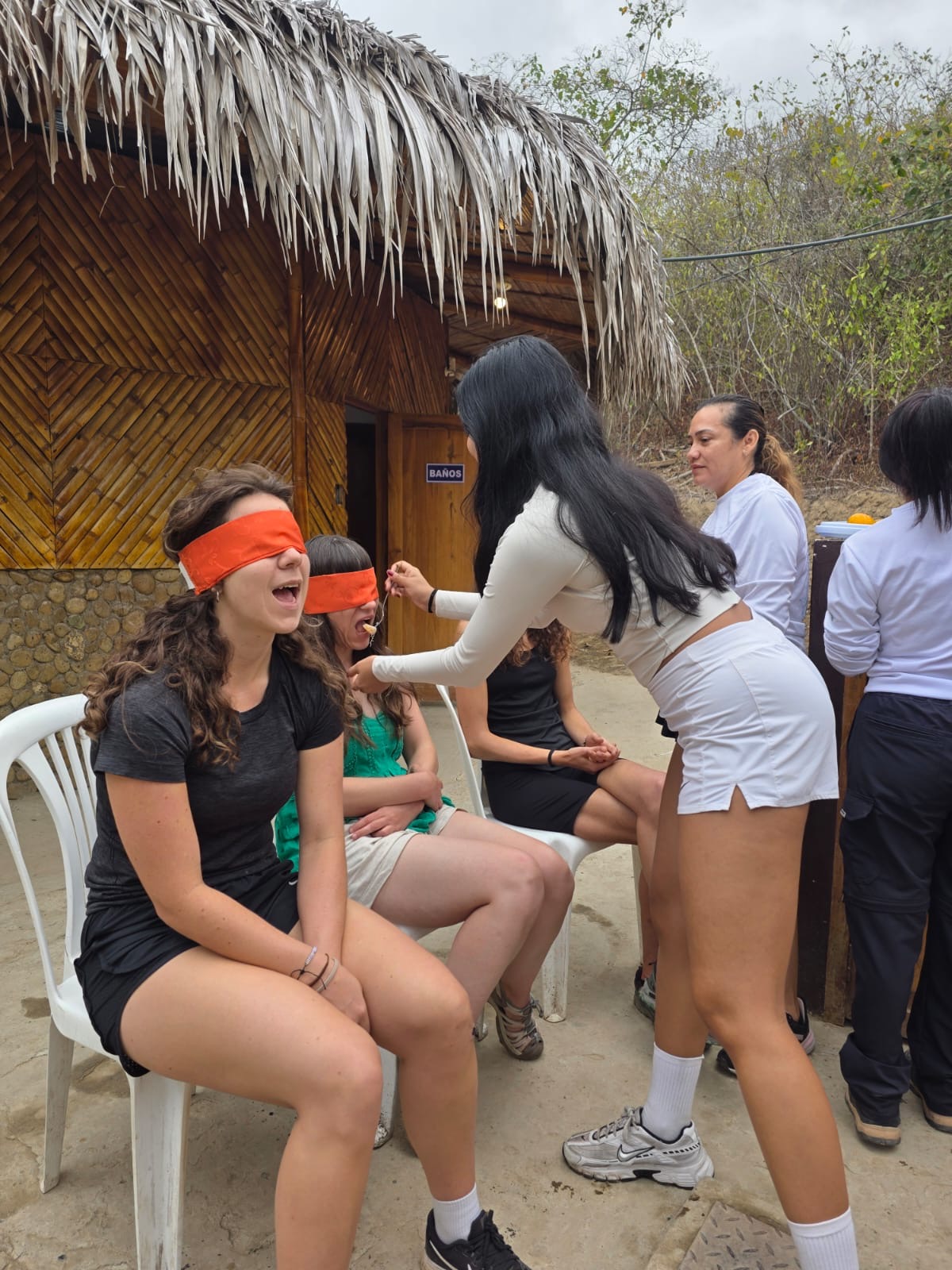
Four weeks here is 80 hours of class alone. Then add the part nobody counts: buying bread, arguing about the bus fare, sitting through a family dinner where nobody switches to English for you. That is where the language stops being a subject and starts being a tool.
The variable that matters most
It is not your teacher and it is not the textbook. It is how much Spanish you are forced into when class ends.
This is the argument for studying somewhere ordinary rather than somewhere touristy. In a resort town the waiter, the hostel receptionist and the dive instructor all speak English, and they will use it, because it is faster for them. You end up taking four hours of Spanish a day and living the rest of your life in English.
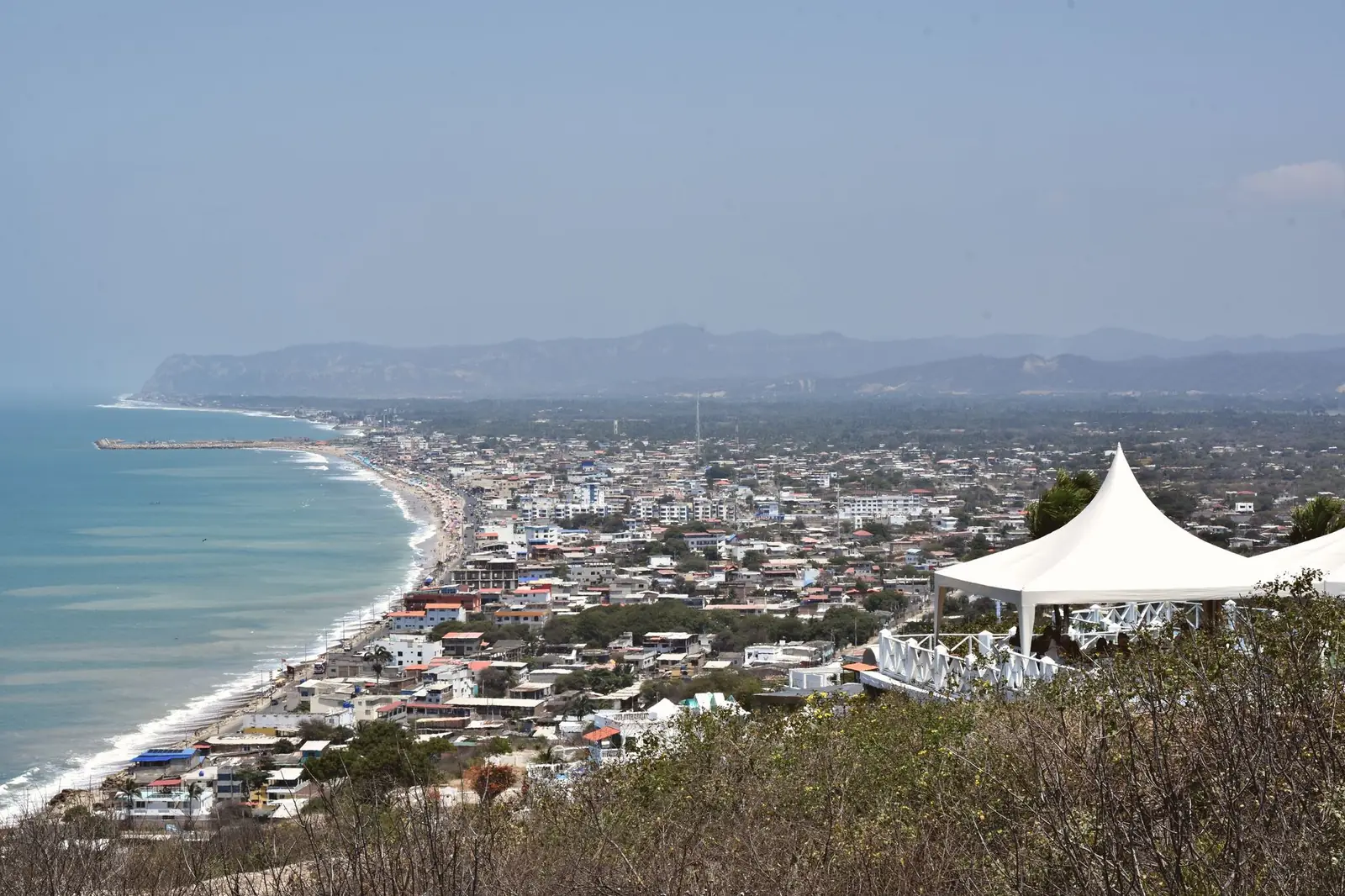
Manta is a port and a university city. Almost nobody switches. The first few days are genuinely uncomfortable, and that discomfort is the entire product.
What slows people down
- Studying with people who speak your language. If your group is four speakers of your own language, your breaks are in that language.
- Booking too short. Two weeks is a taste. Students who book two weeks very often extend, and extending mid-course costs more than booking it properly at the start.
- Waiting until you are "ready". There is no level at which immersion starts working. Beginners make the fastest visible progress because they start from nothing.
A realistic plan
If you have four weeks, take four weeks of group class and add an activity that puts you with locals in the afternoon. If you have twelve, do the same and stop counting; by week nine you will notice you have not thought about grammar in days.
If you have two, come anyway. Two weeks of real immersion beats a year of Tuesday evenings.